
Legacy software modernization, without stopping the business.
Airdev modernizes legacy systems for mid-sized organizations and public agencies. We replace or connect old software step by step, move the data safely, and keep your team working the whole time.
Why old systems are hard to replace
Legacy systems keep running because the business depends on them. They hold years of data and rules nobody fully documented, other systems connect to them, and the people who built them have often moved on.
That makes a big-bang replacement risky. Large rewrites run long, cost more than planned, and often launch missing rules the old system quietly handled.
We prefer a step-by-step approach: connect to the old system first, move one workflow at a time onto new software, and retire the old system only once nothing depends on it.
Three ways to modernize
Connect it
Build a layer that moves data between the old system and new tools, so nobody re-types it.
Replace it in stages
Move one workflow at a time onto new software while the old system keeps running.
Rebuild it
Replace the whole system when it can’t be connected or changed safely.
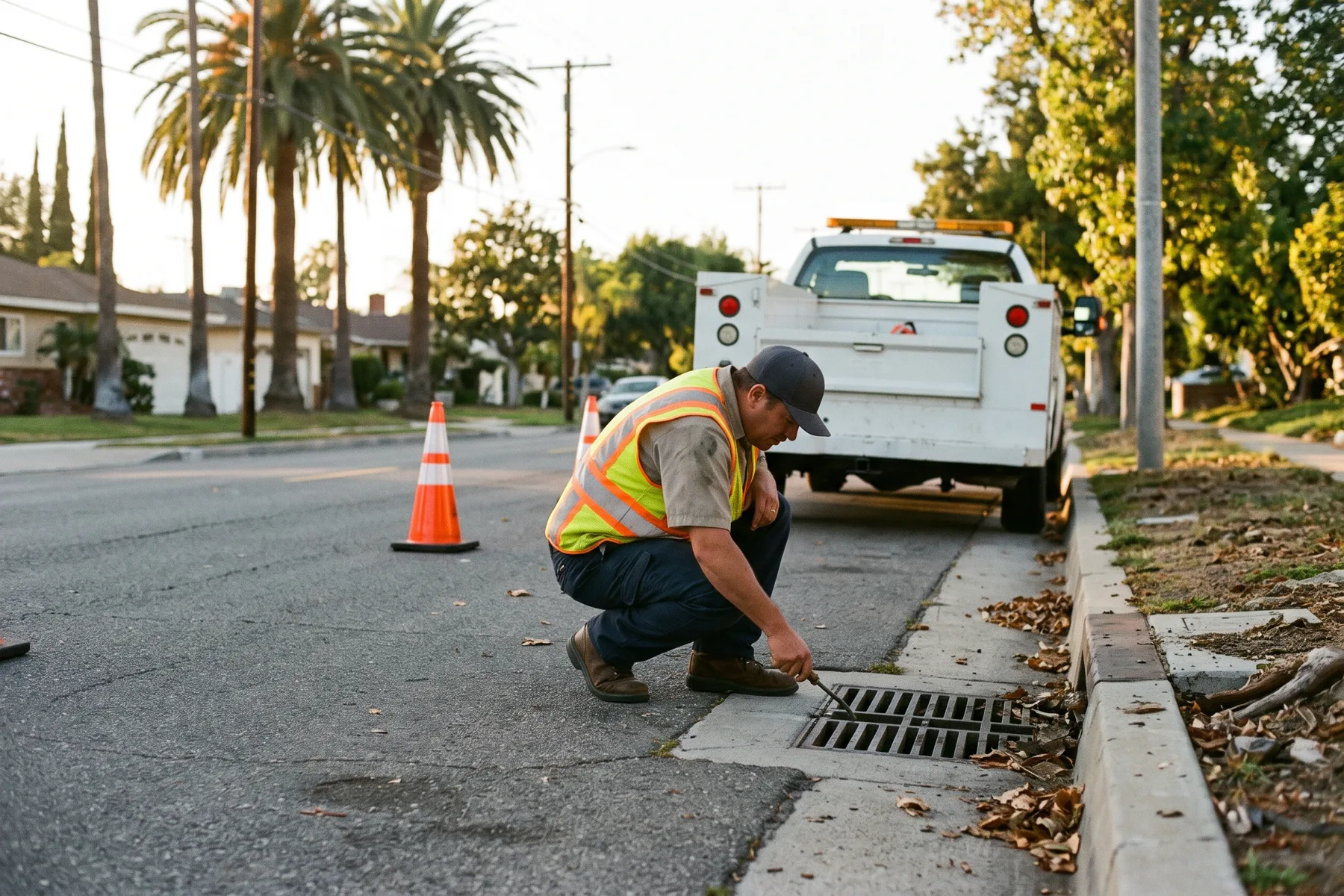
to connect two county systems so resident reports become work orders without manual handling, at a third of what internal IT projected, freeing 1.5 full-time staff for other work.
Read the storyModernizing step by step
Map the system
We document what the old system does, who uses it and what connects to it.
Pick the first workflow
We start where the old system causes the most pain or risk.
Connect before replacing
New software reads and writes the old data, so both run side by side.
Move the data
We clean, migrate and check data before each switch.
Switch over
Each workflow moves when it’s ready, with your team trained.
Retire the old system
Once nothing depends on it, it’s turned off.
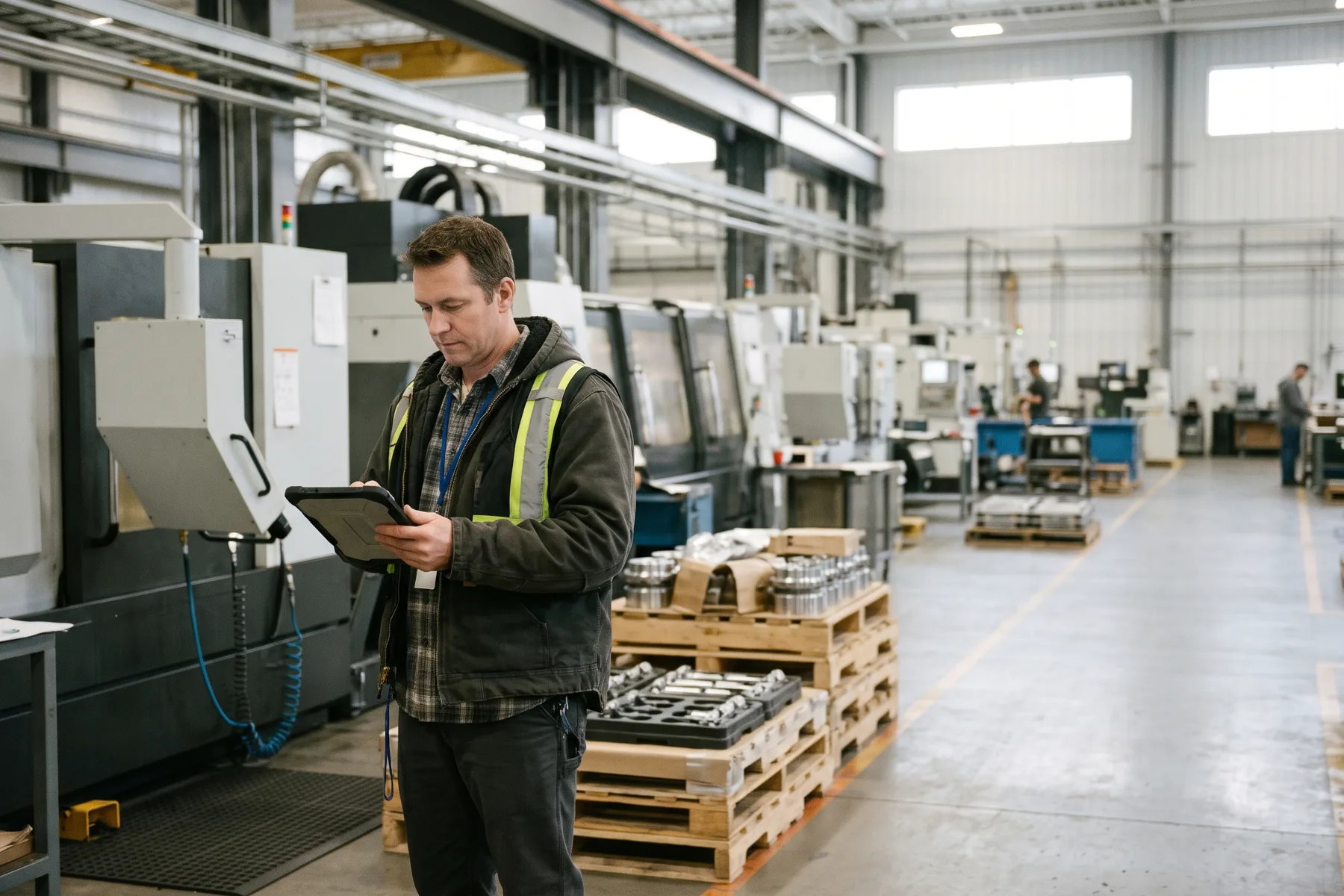
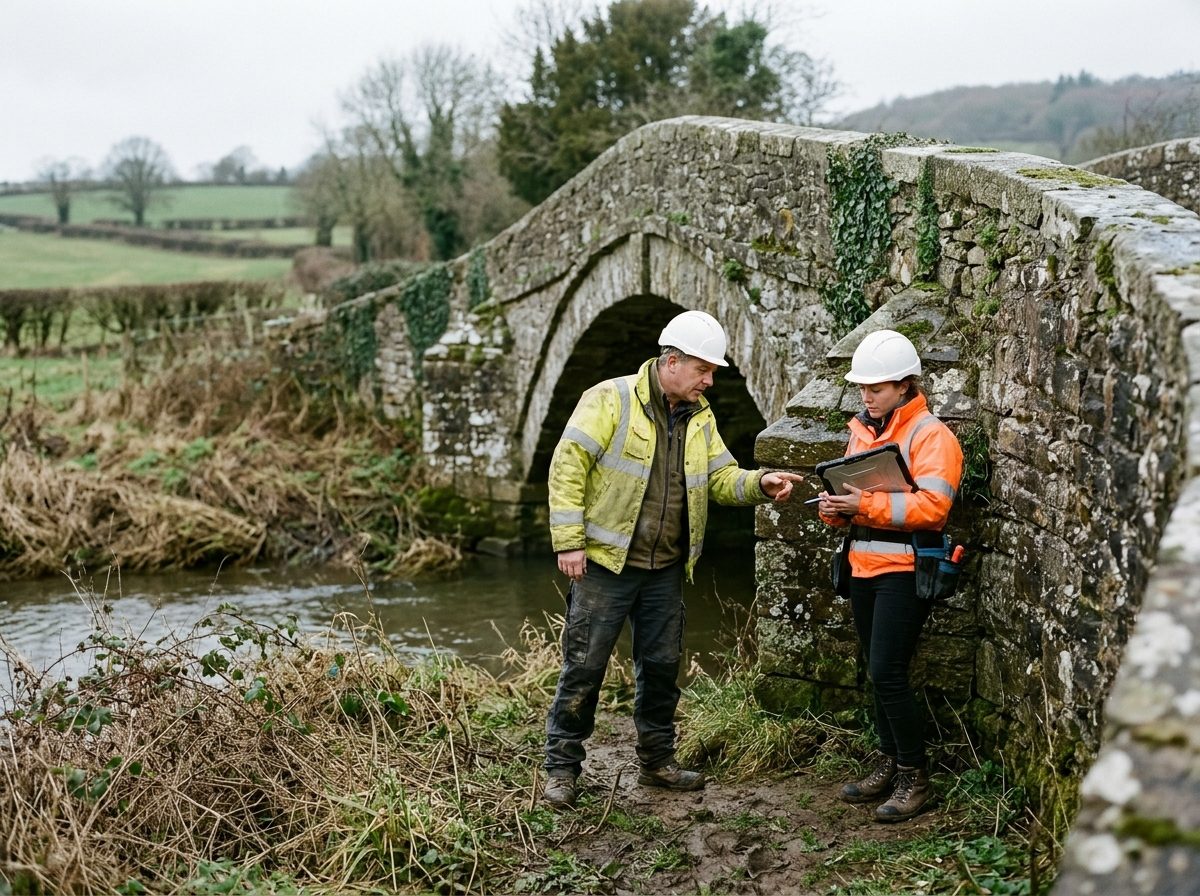
Systems we’ve modernized

Common questions
What is legacy system modernization?
Replacing or upgrading old software that a business still depends on, by connecting it to new tools, replacing it in stages or rebuilding it.
Should we replace our legacy system all at once?
Usually not. Replacing one workflow at a time, with the old system still running, is lower risk and shows results sooner.
Can you work with old databases and systems with no API?
Often yes, through database access, exports or other integration methods. We check what’s possible during the first review.
Do you work with public agencies?
Yes. Orange County Public Works is one example, and we work with other public agencies and nonprofits.
How much does modernization cost?
An implementation fee from about $5,000 for a single connection to six figures for a full replacement, plus a flat monthly fee for hosting, support and changes.
How long does it take?
The first workflow usually moves in a few weeks to a few months. Full replacements happen in stages.
Tell us about your old system
Tell us what it does and what it’s costing you, and we’ll suggest where to start.